
 Nederlands

Extra clear glass (low-iron)
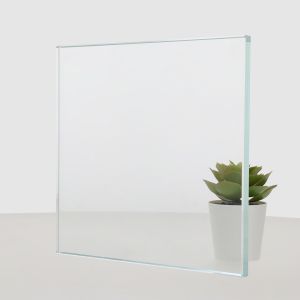
Extra clear glass, also called low-iron glass, contains less iron oxide than standard clear glass. It has no green tint, so colours behind it stay true. You order it cut to size in 4, 5, 6, 8, 10, 12, 15 or 19 mm, for example for a display case, table top or wall panel.
-
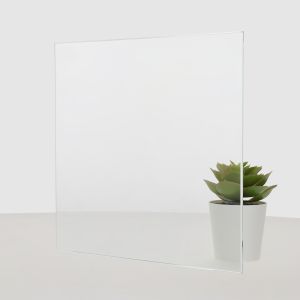 Extra clear glass 4 mm
Single pane glass, extra clear color, thickness 4 mm, is custom made
€60.75per m² -
 Extra clear glass 5 mm
Single pane glass, extra clear color, thickness 5 mm, is custom made
€85.00per m² -
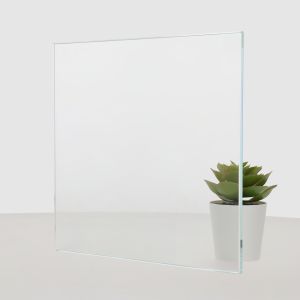 Extra clear glass 6 mm
Single pane glass, extra clear color, thickness 6 mm, is custom made
€93.75per m² -
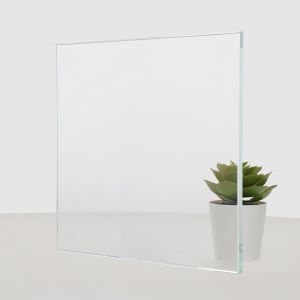 Extra clear glass 8 mm
Single pane glass, extra clear color, thickness 8 mm, is custom made
€118.25per m² -
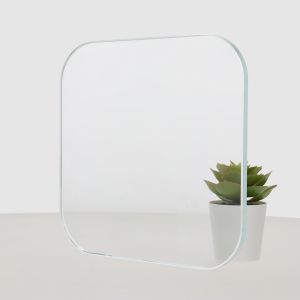 Extra clear glass 10 mm
Single pane glass, extra clear color, thickness 10 mm, is custom made
€147.25per m² -
 Extra clear glass 12 mm
Single pane glass, extra clear color, thickness 12 mm, is custom made
€222.25per m² -
 Extra clear glass 15 mm
Single pane glass, extra clear color, thickness 15 mm, is custom made
€416.25per m² -
 Extra clear glass 19 mm
Single pane glass, extra clear color, thickness 19 mm, is custom made
€624.25per m²
Extra clear glass: glass without the green tint
Extra clear glass contains far less iron oxide than standard clear glass. That is why it is also called low-iron glass or diamond glass. It is almost colourless and lets through more light, so what you see behind it keeps its true colour. You order it from us cut to size, in 4, 5, 6, 8, 10, 12, 15 or 19 mm thick.
How to recognise extra clear glass
Look at the edge of the panel. Standard clear glass shows a green tint there, which gets stronger as the glass gets thicker. The edge of extra clear glass looks light blue or almost clear.
What extra clear glass is used for
Extra clear glass is chosen where colour and clarity matter: a display case or shop window, a glass shelf, a protective panel on a white or light table top, and as a base for lacquered glass, where it keeps the colour of the paint true. Compare it with standard clear glass if the green tint does not bother you.
When you need safety glass instead
This extra clear glass is no...